Research solutions

Usability testing

Make design decisions with a clearer view of how people use your product. Test digital experiences and prototypes with users throughout the product development cycle.

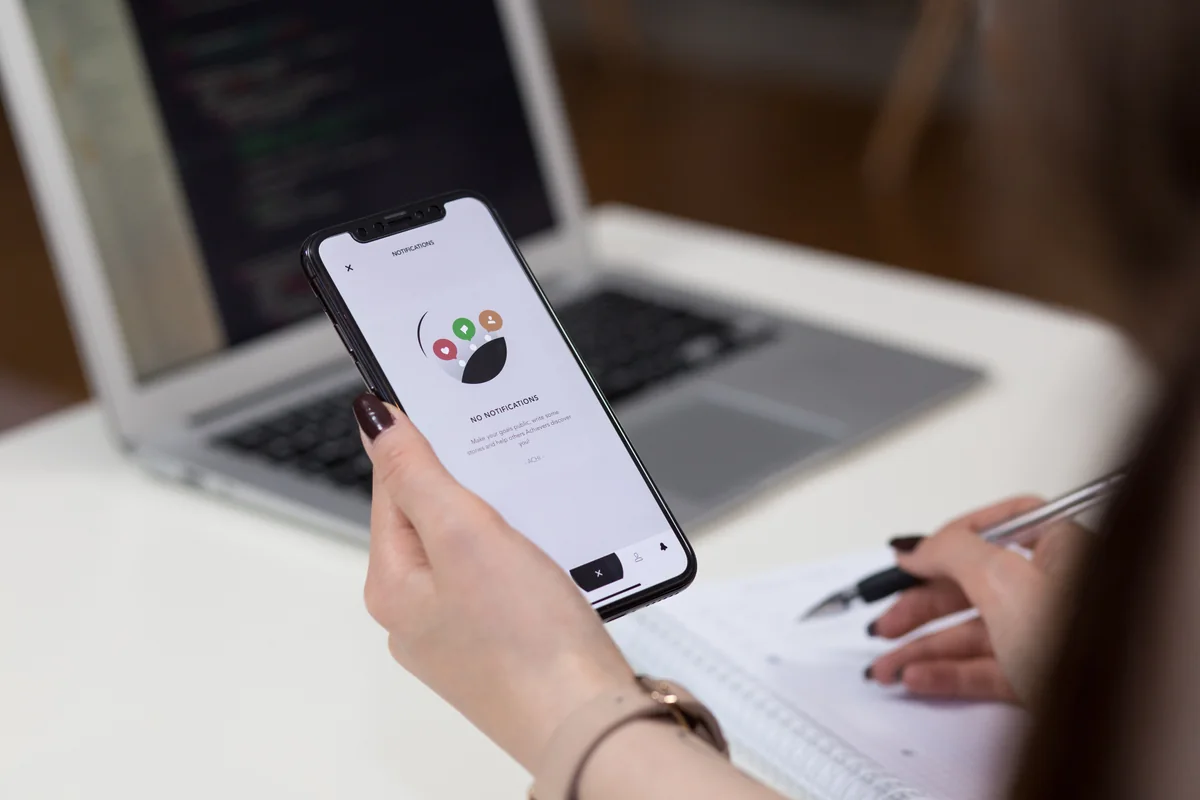
A hand holding a mobile screen with charts beside a laptop.
See the experience from your user’s point of view.

From the first hypothesis to the findings.

Start with a shared understanding of the study’s scope and objectives. Our research team uses design thinking and cultural context to help shape the research plan.

Then recruit around your testing goals, let people work through the experience, and examine the problems that appear.

Explore participant recruitment
  1. Plan the session and prototype

    Bring relevant stakeholders together to define scope and success. A research workshop develops hypotheses from what is already known and what still needs to be understood.

  2. Find participants

    Define the target audience around your testing goals and budget, including any specific population criteria the study requires.

  3. Run the sessions

    Let participants interact with the prototype through a moderated conversation or a self-directed online test, depending on the study design.

  4. Examine the findings

    Review transcripts and group recurring problems, using methods such as colour coding. Report issues from low to critical severity and prioritise the most serious concerns.

Two ways to see the experience.

Moderated testing

A trained Unhearing moderator observes participants and engages with them directly. This format provides space to explore behaviour and ask follow-up questions during the session.

The session setting and the moderator’s ability to draw out useful responses are part of the research design.

Unmoderated testing

Participants complete a digital test online without a moderator present. Tasks and questions are prepared beforehand so people can work through the product on their own.

Choose the format around the experience you need to test and the depth of understanding you need.

Your next insight starts with a conversation.